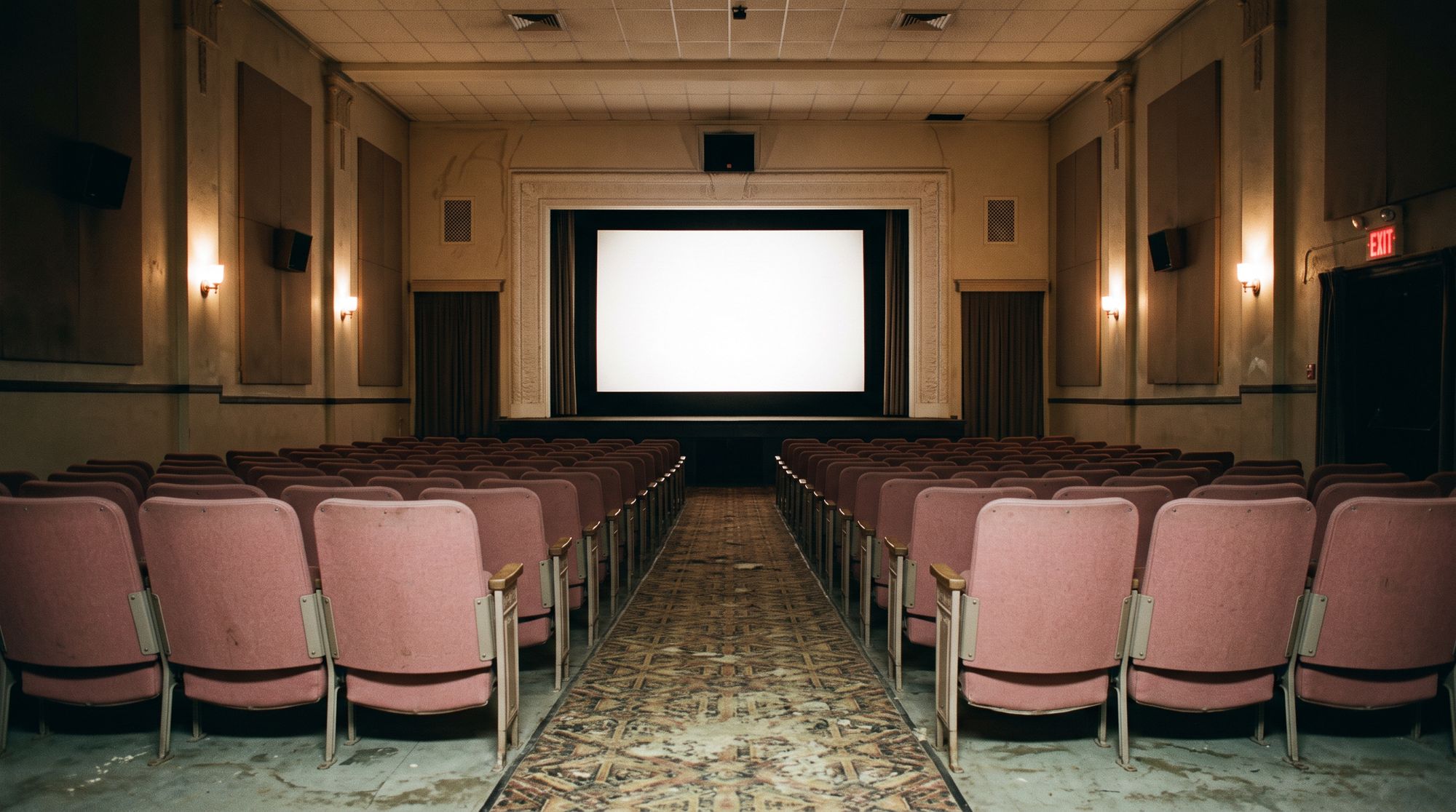
One screen, and two hundred eighty-eight seats that are not the same as each other.
Nobody reserves a seat here, so the only decision left is where you put yourself. This is the room described in five parts, with what each part is good for and what is wrong with it.
One screen. Friday and Saturday at 7:00, Sunday at 2:00. Doors half an hour before. Every seat $6.
The room, front to back
Rows run A at the screen to N at the back wall. The floor is flat through row C and rakes from D. Everything below is measured from the middle of the screen.
-
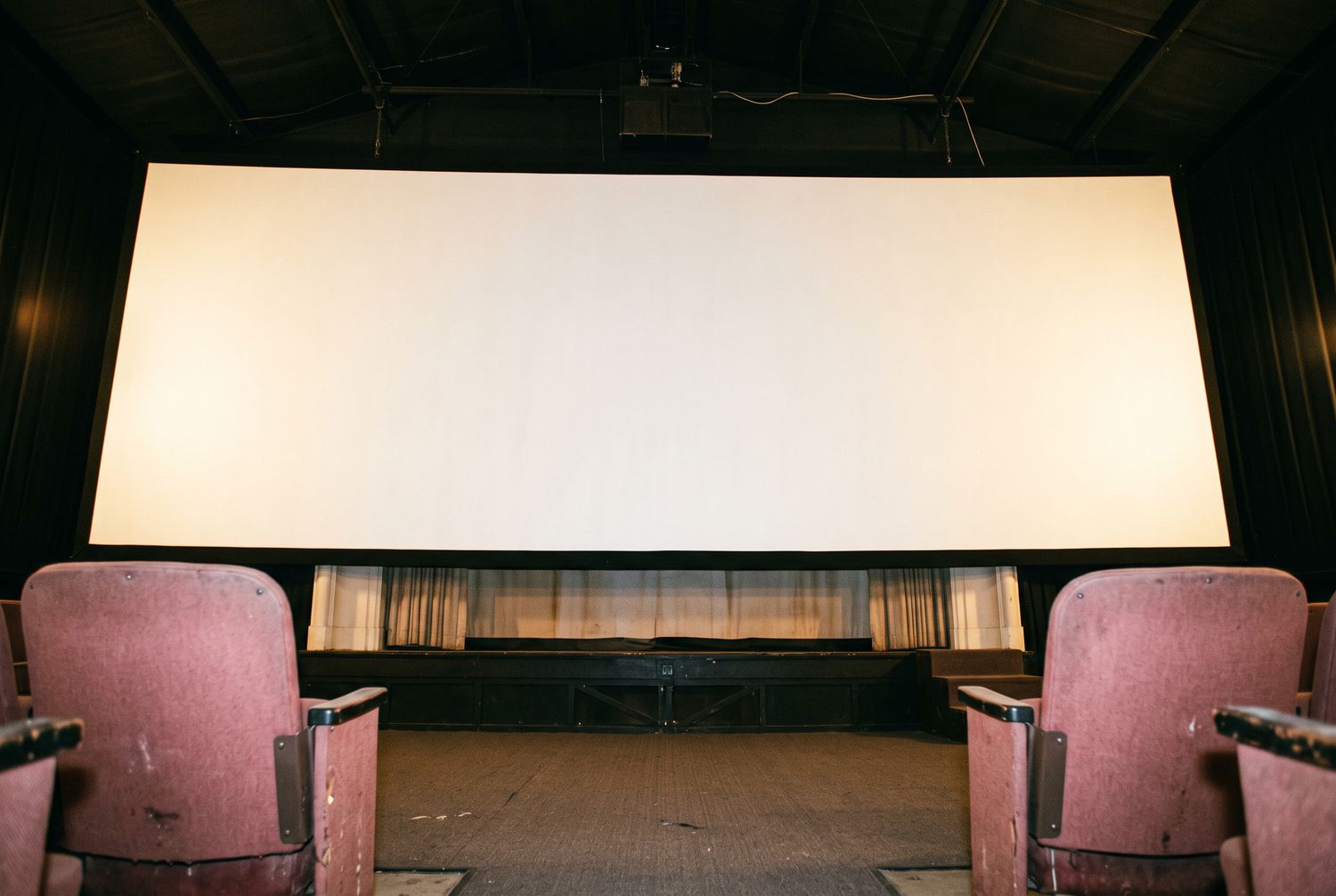
Rows A–C
The front three rows
19 to 27 feet from the screen. Flat floor. 34 seats.
- Good for
- Anyone who might need to get out and back without climbing over people, and children who will not last the whole picture sitting still. Row A has no seat in front of it to kick.
- Against it
- You are looking up for the whole show, and both speakers are above and behind you, so dialogue arrives a beat off centre.
-
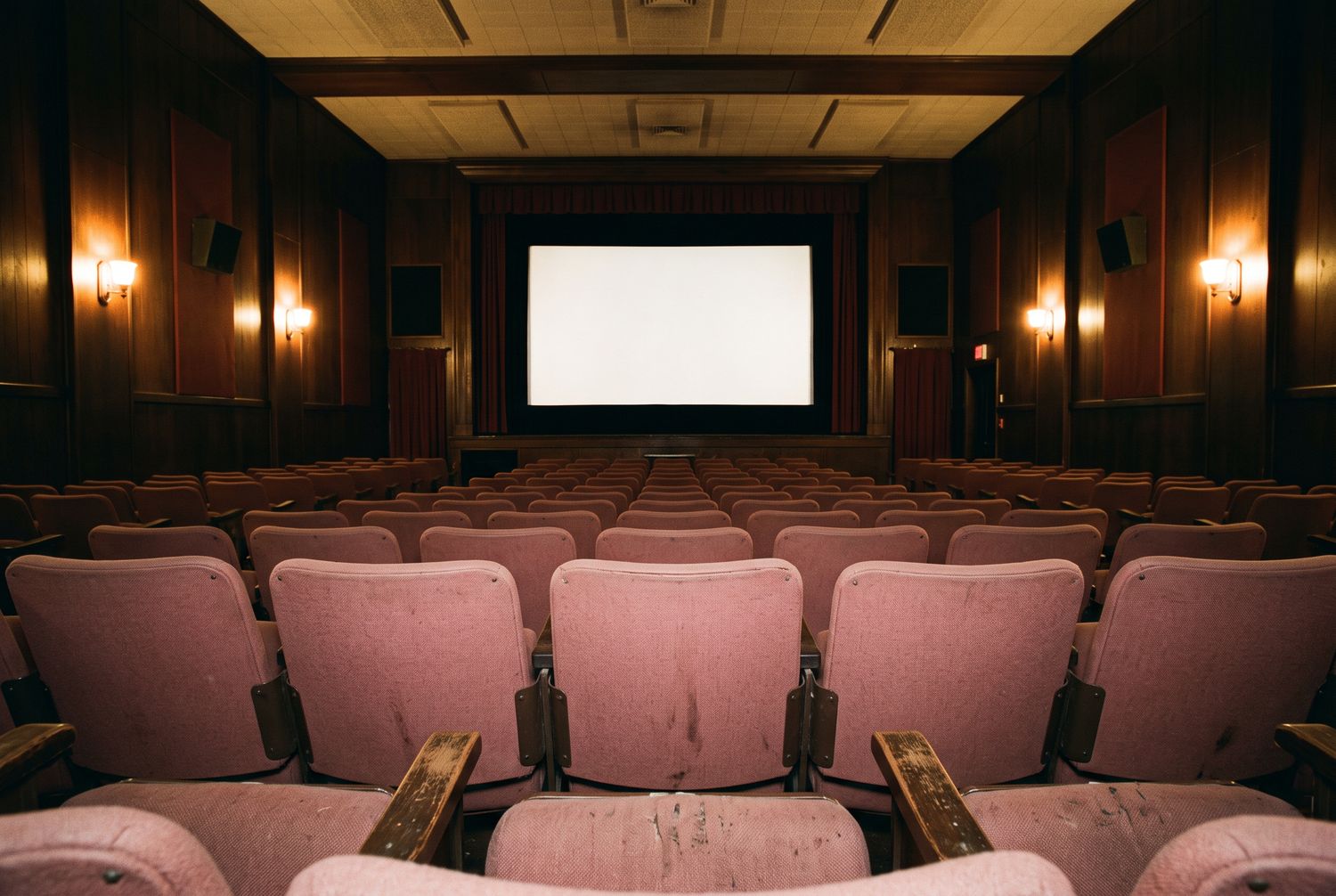
Rows D–G
Where the rake starts
31 to 43 feet. The floor begins to climb at D. 72 seats.
- Good for
- Two adults with coats and a bag. From D onward nobody's head sits in your picture, and the seats on the aisle side of the left block have an armrest that lifts.
- Against it
- The two wall sconces on the left stay on at half through the show. If stray light bothers you, take the right block instead.
-
Rows H–K
The four rows people come early for
47 to 59 feet. 96 seats, and the first ones taken.
- Good for
- The picture is squarest here and the sound was set from row J with a meter, so this is the best the room gets. Seats J7 through J12 are the four that go first on a Friday.
- Against it
- There is no way to hold them. If you want this block on a busy night, be at the door when it opens and not at five to seven.
-
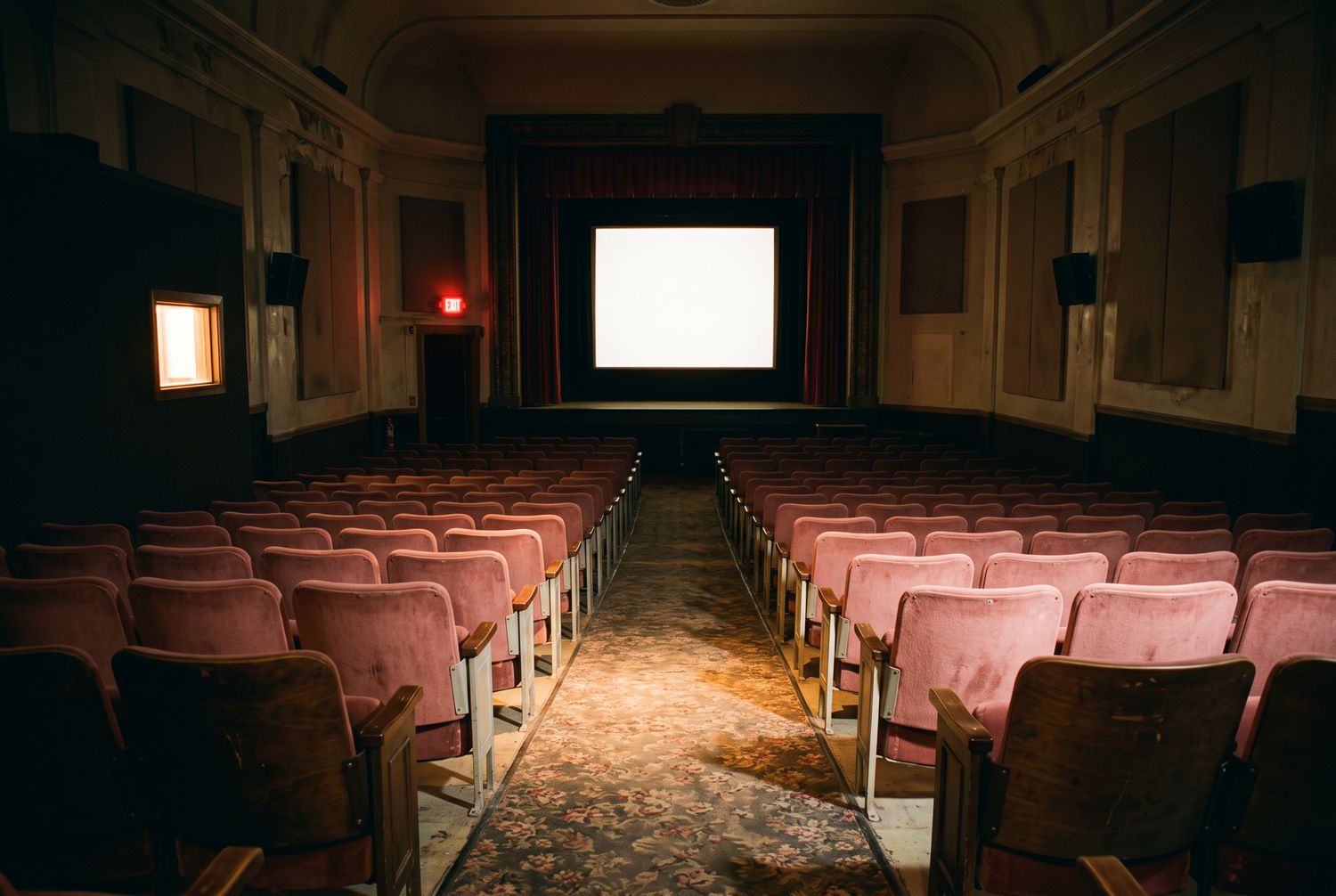
Rows L–N
The back wall
63 to 71 feet. 86 seats, and the quietest part of the room.
- Good for
- Hearing. The back wall is hard plaster and it returns the dialogue rather than swallowing it, which is why the people who ask us where to sit with a hearing aid get sent here. Also the easiest rows to leave from.
- Against it
- The projection port is directly above row L and its fan is audible in a quiet scene. Row N is against the wall, so there is no reclining and no room for a coat behind you.
-
Spaces F1–F4
The four flat spaces
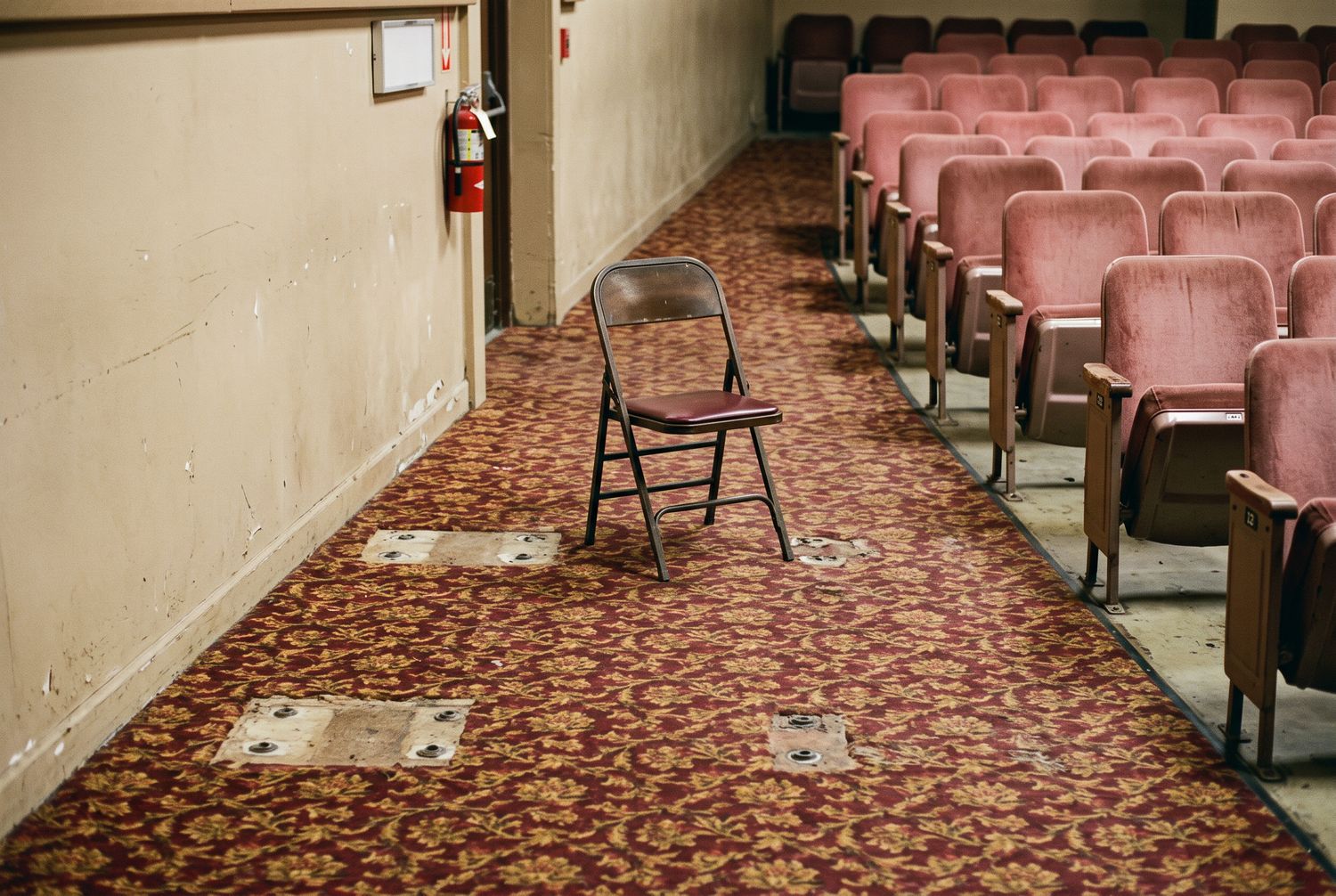
At the head of the left aisle, level with row F. Two wheelchair spaces, two folding companion chairs.
- Good for
- A wheelchair or a walker, and for anyone who cannot do the tip-up seats. These four are the only spaces in the house we will hold, and holding them takes one phone call before five o'clock.
- Against it
- Getting to them means one step down from the lobby and about forty feet of level carpet. There is no lift, and the balcony has been shut since 1998, so the balcony is not an option for anyone.
All of it at once
The screen runs across the top of the drawing and the doors are at the bottom, which is where you come in. Rows A to N, two blocks of seats, one centre aisle, and the four flat spaces at the left.
Seat counts: 34 in A to C, 72 in D to G, 96 in H to K, 86 in L to N, and four spaces at F.
The room is not a cinema all week
One room, one screen and one town means the auditorium earns its keep four other ways. If you are trying to work out whether we are open, this is usually the answer.
- Saturday, 10:00, school holidays
- The house lights stay half up and the sound goes down about a third. Nobody minds noise at this one, and the doors stay propped so a parent can walk a small one out and back.
- Tuesday evening, alternate weeks
- The room goes to the county historical society or the school board. There is no film on those Tuesdays and the lobby door is locked at six.
- Sunday afternoon, by arrangement
- Birthday hire. You get the room, the popcorn machine and the projectionist for two hours, and you bring your own disc or we pull something from the library.
- Any morning, if it is raining
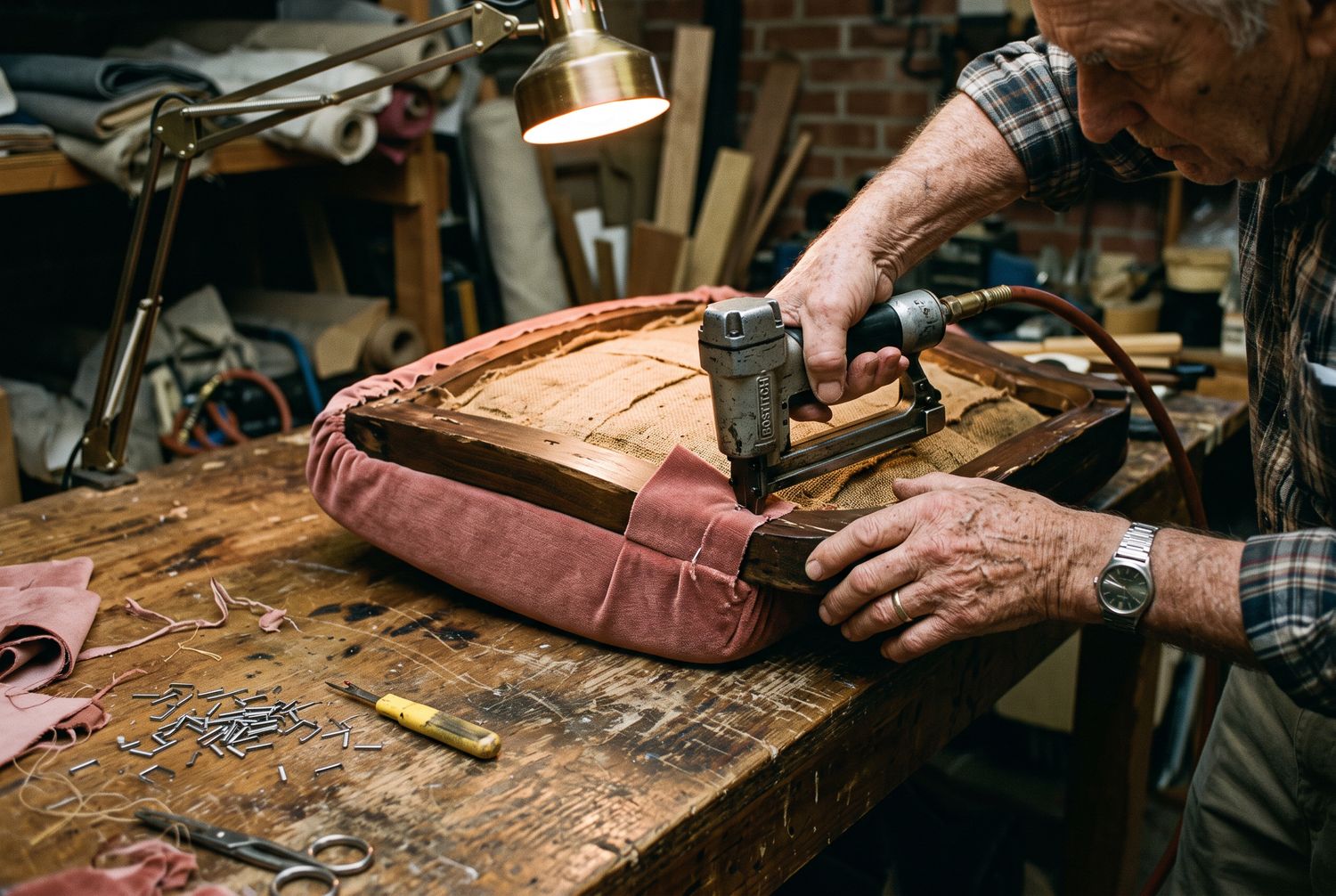
- The seats come out a dozen at a time and go to the bench in the back room to be recovered, which is why there is sometimes a gap in row G.
What it costs, and what we will not do
| Any seat, any night | $6.00 |
|---|---|
| Under 12, and 65 and over | $4.00 |
| Sunday matinee, everyone | $4.00 |
| Popcorn, small and large | $3.00 and $5.00 |
| Fountain drink, one size | $2.50 |
| Room hire, two hours | $120.00 |
Three things to know before you drive over
- We do not reserve seats, and we do not sell tickets in advance. The only exception is the four flat spaces at row F, and those take a phone call.
- We take cash and cards at the window, but the card reader is on the town's line and it goes down in a storm. If the weather is bad, bring cash.
- What is playing changes on a Friday and we do not always know a fortnight out. The recording on the phone line is updated every Wednesday afternoon and it is the only place that is always right.
Somebody recovers these by hand
There were four hundred and ten seats in this room in 1946 and there are two hundred eighty-eight now, because the rest were taken out for legroom, for the aisle and for the four flat spaces at F. The ones that are left get pulled a dozen at a time and recovered on a bench in the back room in the same rose the room has always been.
That is the whole reason this page describes the seats instead of the film. The film changes on Friday. The room does not.
214 N Second Street. Doors open half an hour before the show. The window closes fifteen minutes after it starts.